// FIELD NOTE #06 · 2024 - 2026  · 7 min

Albus Factory

Gamification

Game designer at Albus Factory, an agency specialized in B2B gamification. There I designed and produced playful experiences for major accounts (banking, energy, telecoms, defense, training), from serious games to video escape games, including orienteering events for 500 people. Now freelancing for Albus, and open to other collaborations of the same kind.

Albus Factory
// SUMMARY · 90s

For the busy

Game designer at Albus Factory, an agency specialized in B2B gamification. There I designed and produced playful experiences for major accounts (banking, energy, telecoms, defense, training), from serious games to video escape games, including orienteering events for 500 people. Now freelancing for Albus, and open to other collaborations of the same kind.

↓ skip to deep dive
role
Game Designer (apprenticeship, then freelance)
team
3 to 8 people depending on the phase (internal team)
engine
Figma (One Page), laser cutter, 3D printing, video, web apps
genre
Gamification, serious games, physical and video escape games
length
January 2024 to today (apprenticeship + freelance)
output
About a dozen projects shipped, several in production
// DEEP DIVE · process notes

01

Context

I joined Albus Factory as an alternating intern in January 2024, then as an apprentice in July 2024. When I arrived, the agency was a few months old, with several serious games already shipped, and a strong push to structure itself. The team grew from a small core around the product director to a full organization (general management, sales team, expanded production team) over the course of a year.

The initial brief : design and produce custom gamified games for clients who don’t have a games culture. My missions covered three main axes : game design applied to imposed themes (training, awareness, internal communication), physical and digital production of the games, and client communication from briefing through to delivery.
02

Process

The typical project flow breaks down into 5 phases over about 2 months : signature and kickoff, content analysis and mechanics design, validation, physical or digital production, delivery and internal post-mortem. But it’s the adaptation to each client that really shapes the work.

Four projects to illustrate the diversity :

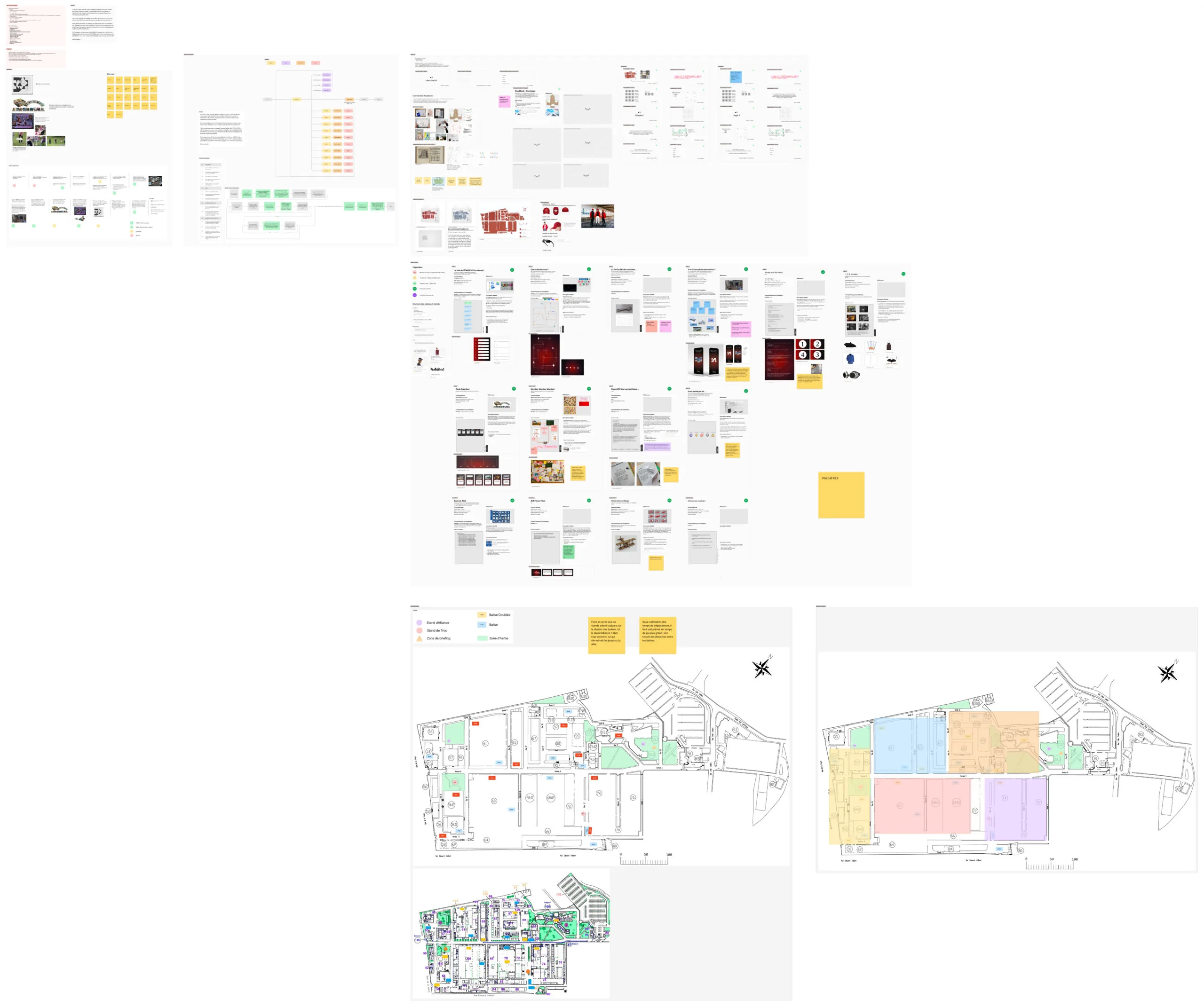
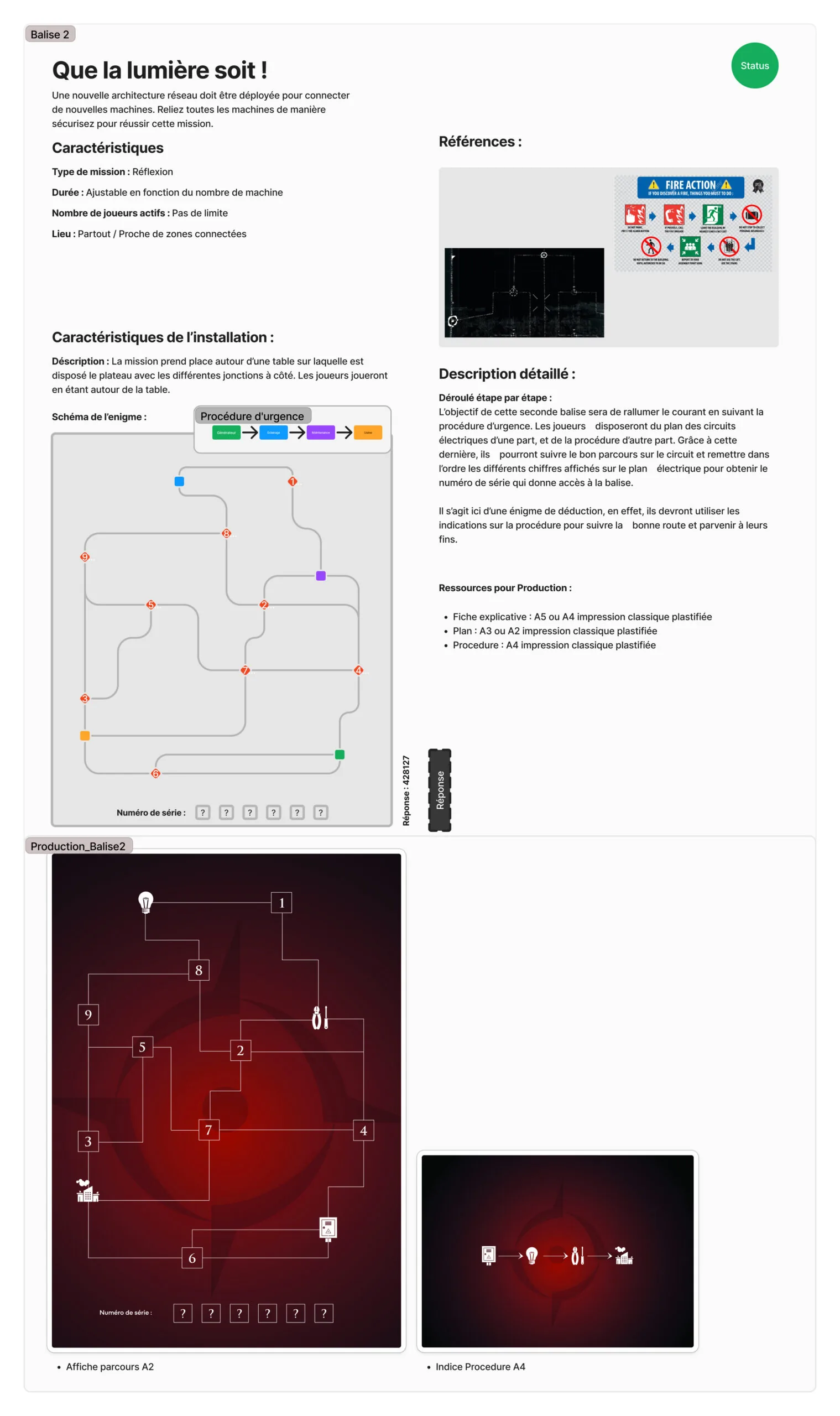
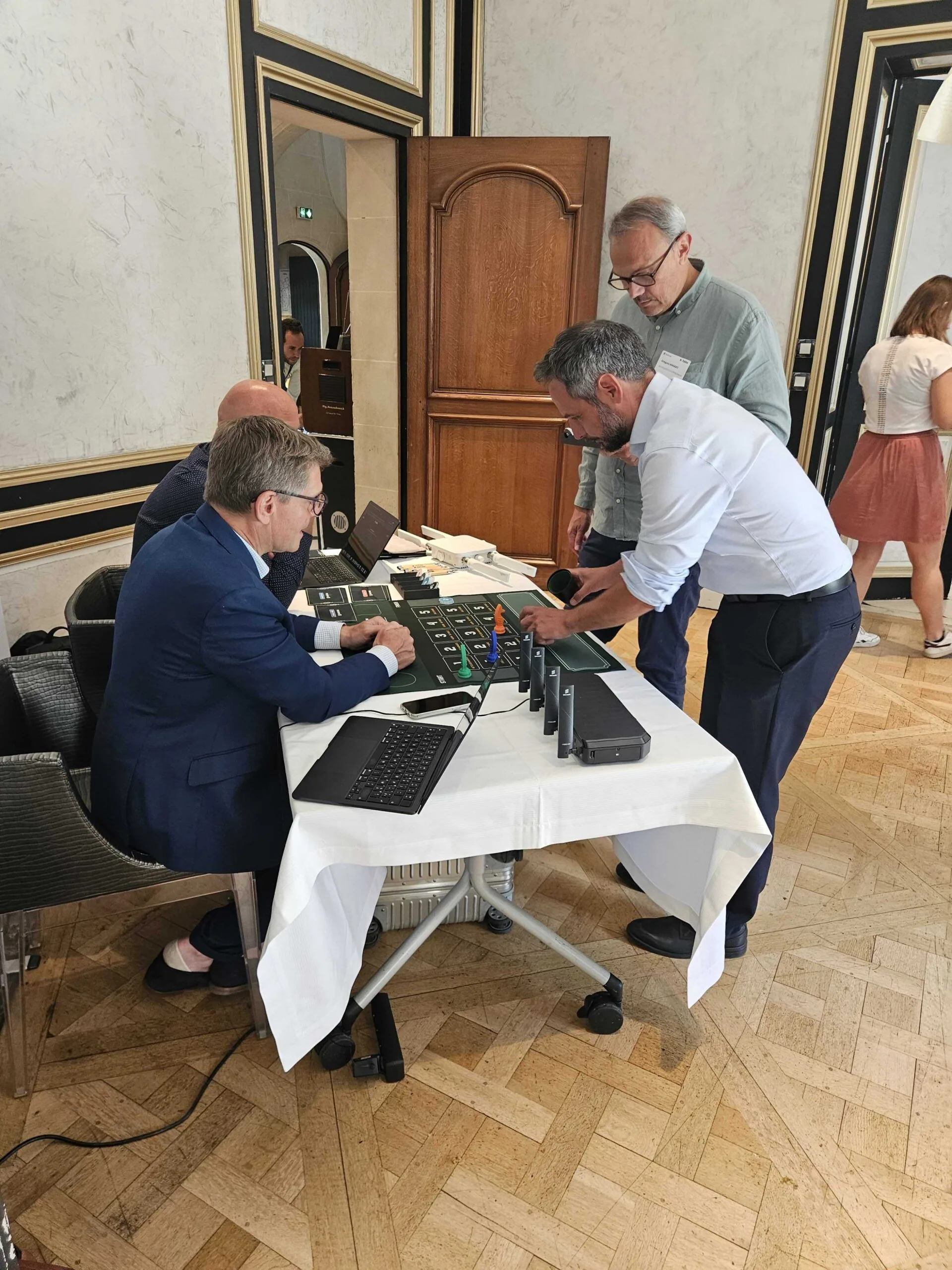
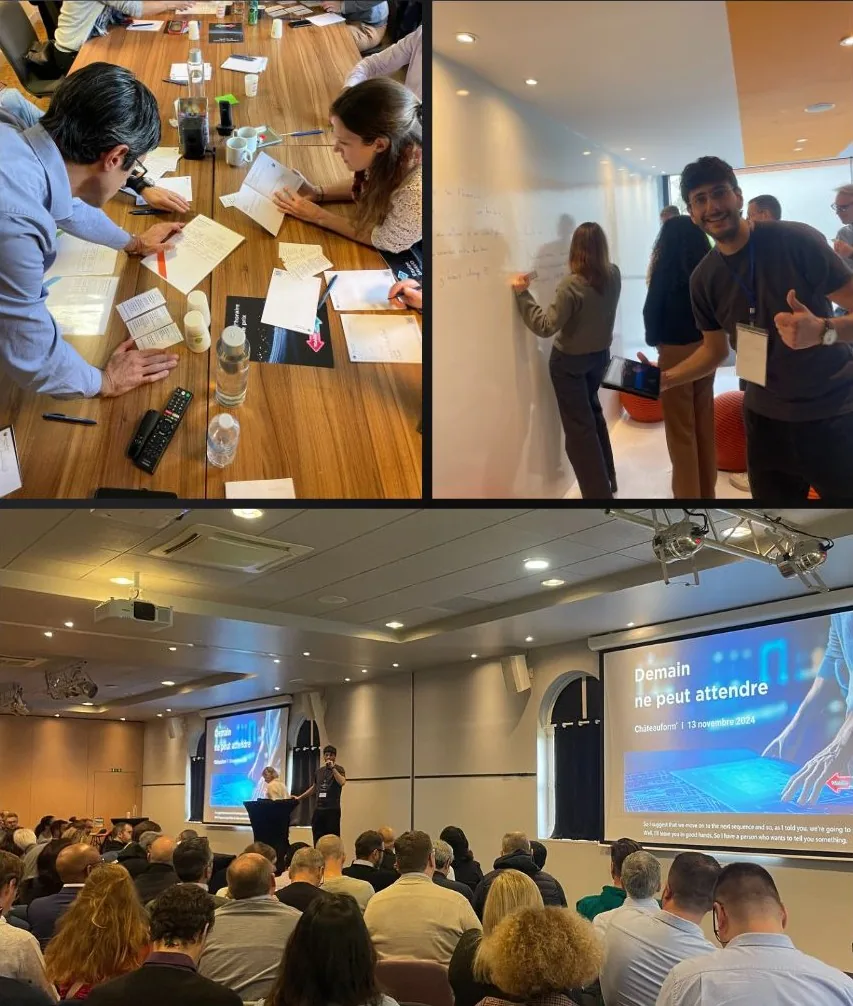
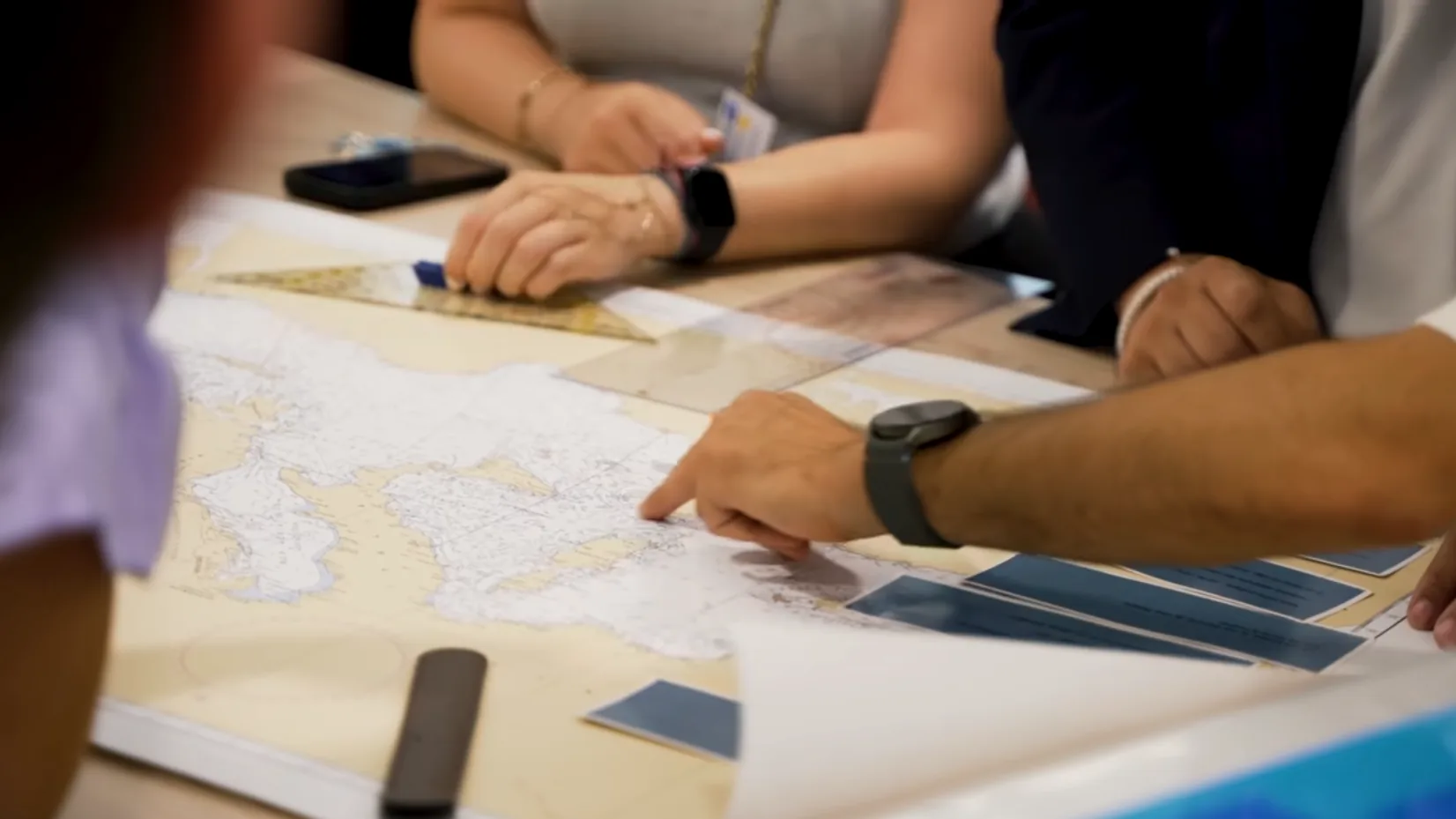
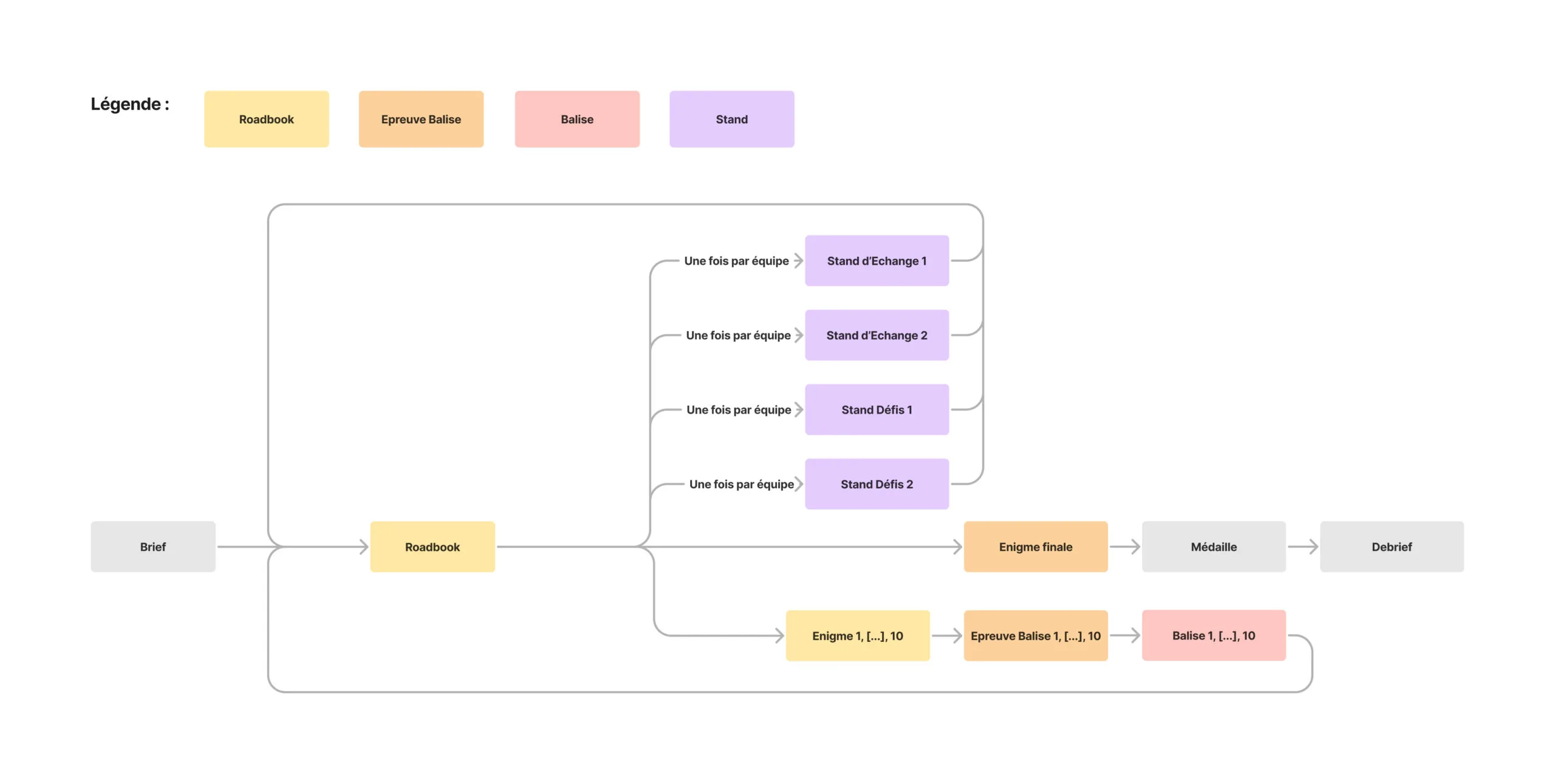
  • Orienteering event for 500 participants (defense actor). For an industrial workshop’s 90th anniversary, I designed 10 main mechanics (the markers) and 4 secondary stands, doubling everything to handle the flow. The challenge : design mechanics that work for 250 simultaneous players on a course, without bottlenecks and without resetting between teams. On the day, we had to handle a bottleneck live by walkie-talkie.
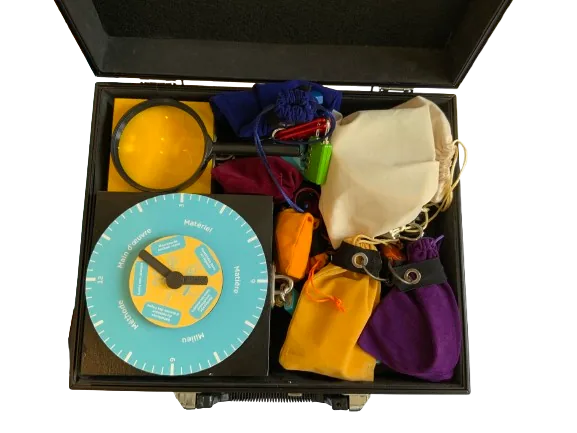
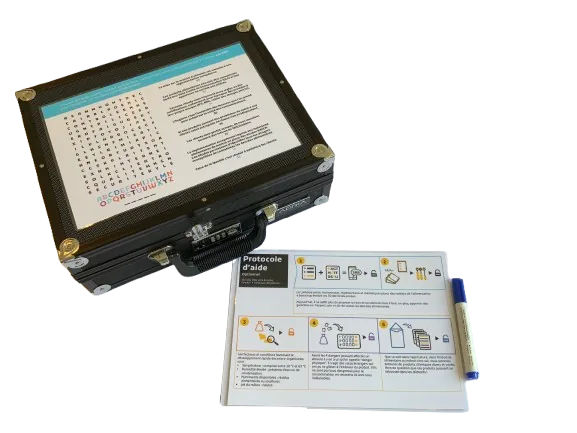
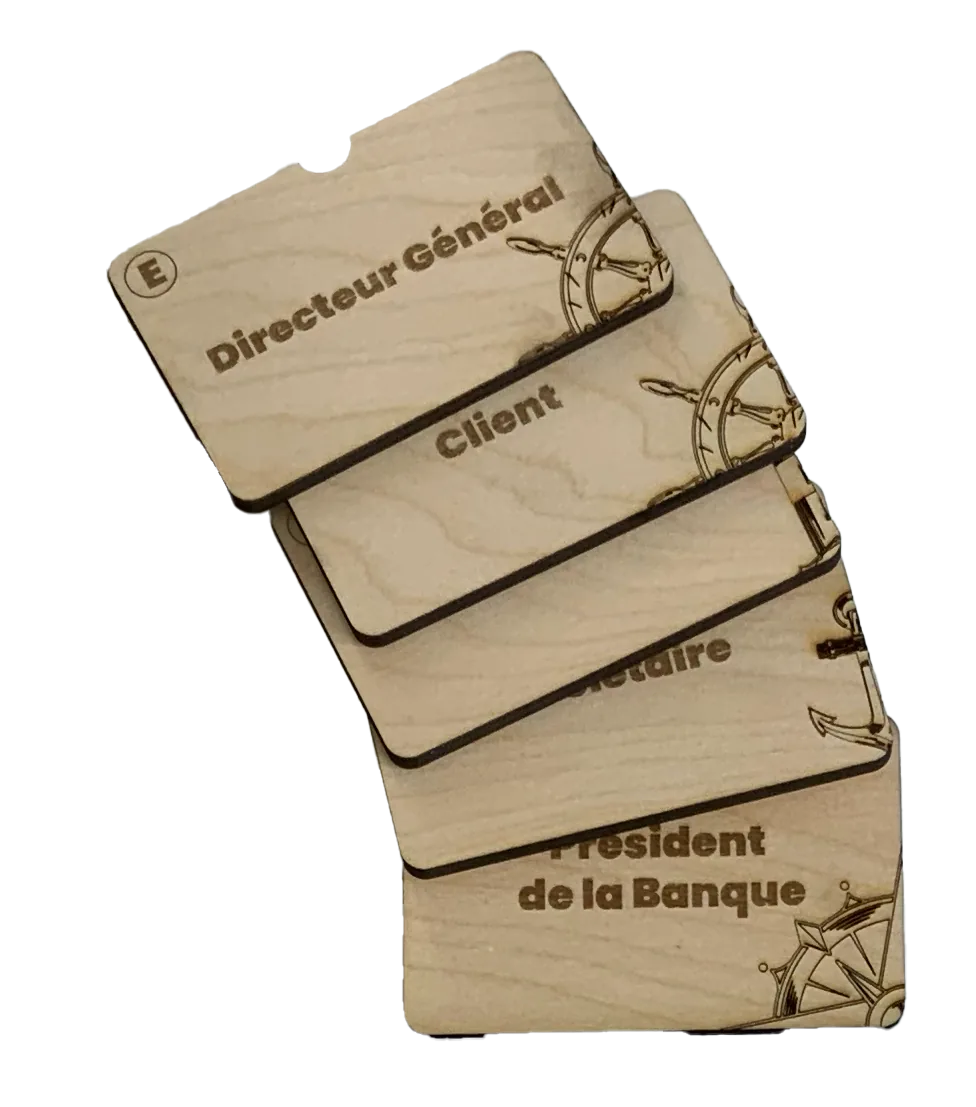
  • Reworking an educational escape game (training organization). Auditing an existing non-linear game, restructuring it into a linear path without betraying the original intent, rebuilding a complete kit with a graphic designer. A chance to learn how to interpret fuzzy documents and understand the impact of client feedback on changes that look simple on the surface.
  • Multi-partner gamified casino (telecoms operator). 1 main client and 10 external partners each with their own needs, so 10 validation cycles to synchronize. I designed an economic balancing system to manage chip circulation between stands, avoiding both early bankruptcy and inflation. That’s the project where I really consolidated my economic design skill.
  • Promotional video escape game (energy actor). Designing a game intended not to be played but to be filmed. I wrote a 15-page shooting script, designed the game master character whose voice I performed live, and worked with a video production company. A document shared between 2 lawyers, 2 expert teams, the client’s YouTube lead, and the production team : the challenge was as much design as document management.

The shared method across all these projects : Figma in One Page mode to structure each mechanic, internal briefs with my project manager before each client meeting, presentation supports with diagrams and visuals to help clients project, and systematic internal post-mortem after every delivery.

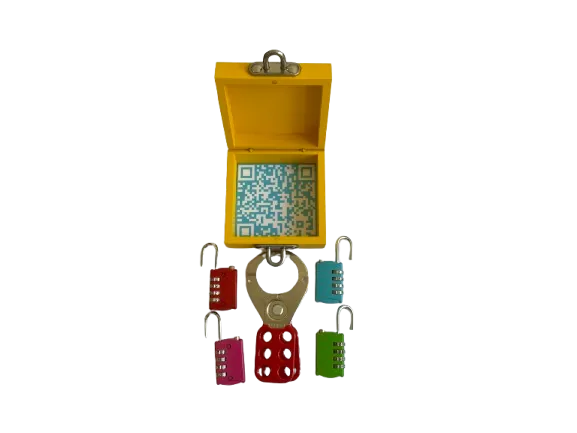
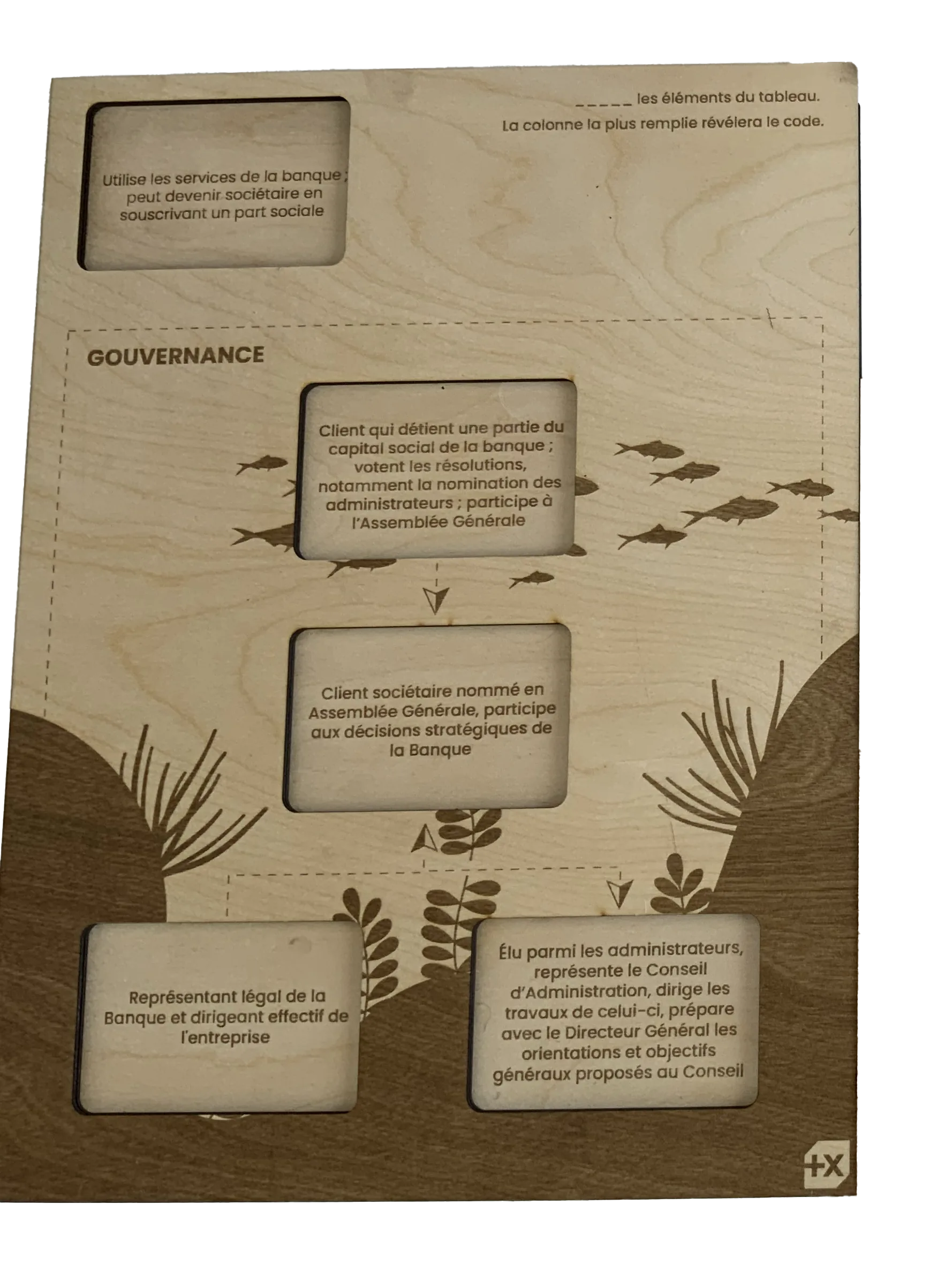
The technical skills picked up along the way : laser cutter (file setup, material selection, anticipating production constraints), 3D printing (modeling software, printer setup), video. All self-taught, because physical production is part of the gamification craft.

03

Lessons

Game design in gamification has its own rules. Few iterations possible, unlike traditional game development. Validation very early in production, with little correction margin afterwards. Need to land it right on the first design, which forced me to sharpen my rigor in prototyping and anticipate gameplay risks much earlier.

But it’s on client communication that I’ve grown the most. Learning to simplify my vocabulary for non-specialists without losing precision, structuring my pitch pedagogically, detecting doubts and psychological resistance beyond the words. That was my weak spot when I arrived, it’s now one of my real strengths.

The other major lesson : adapt your scope to the constraints. At Albus, every project has its own equation (game type, client profile, budget, timeline), and you have to learn to slide the cursor between creative ambition and operational feasibility. It’s a reflex I’ve carried into all my other projects since.

After my apprenticeship ended, my collaboration with Albus Factory continued as occasional freelance missions. A way to keep working on projects I know well while leaving room for other collaborations.

I remain available for freelance gamification missions with other agencies or directly with companies looking to design a custom playful experience.

// next field note
Dying Sun →