On the game design side, the challenge was integrating a cult management system that fit an open-world structure. I drew on existing structures, notably from the Assassin’s Creed franchise, while deepening the management dimension to stay true to Cult of the Lamb‘s DNA.
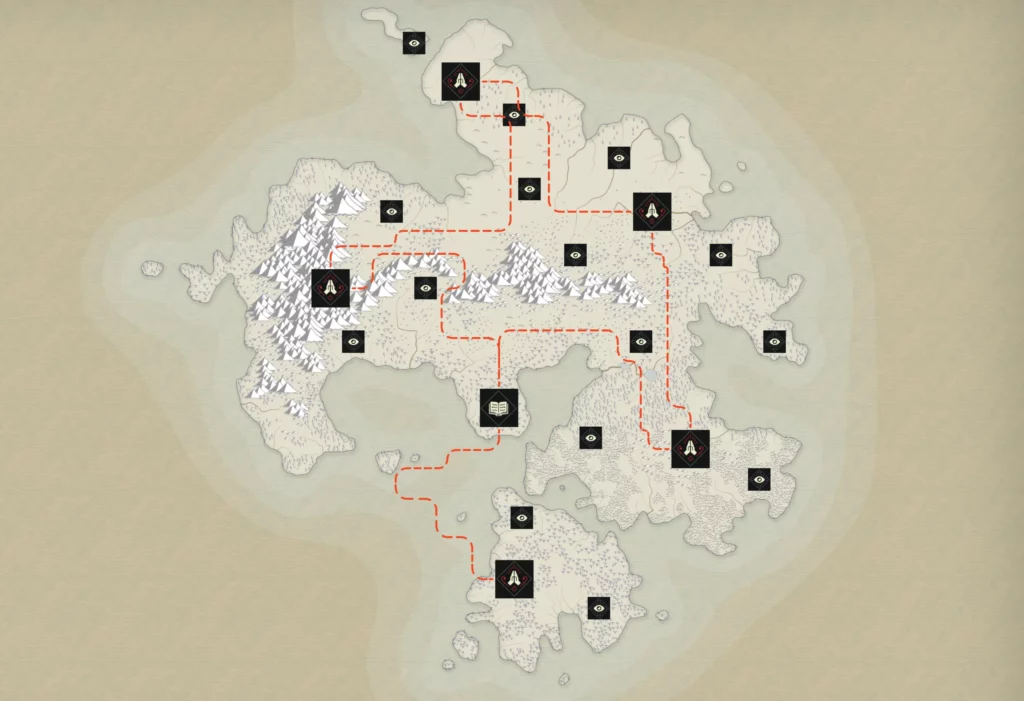
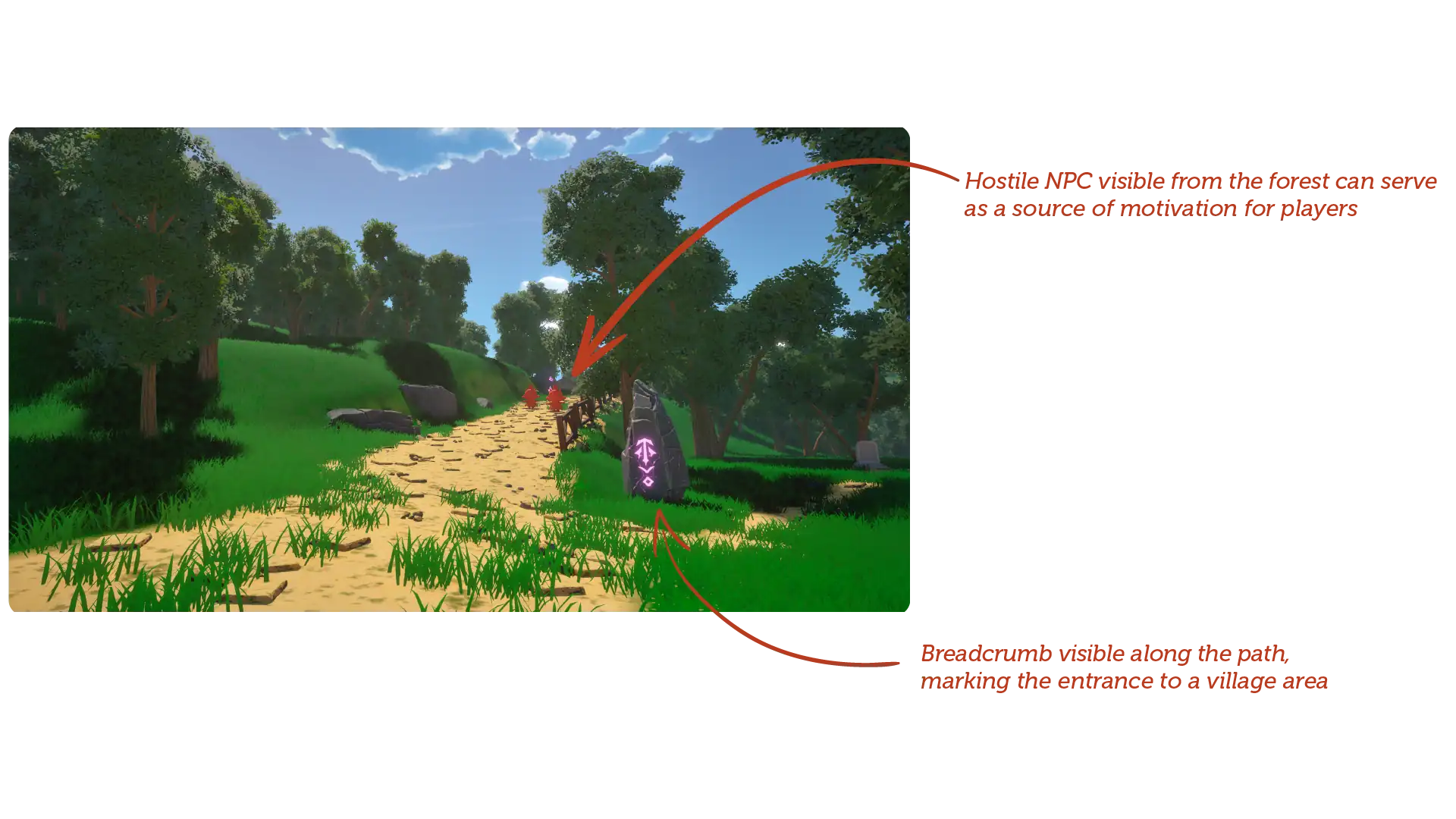
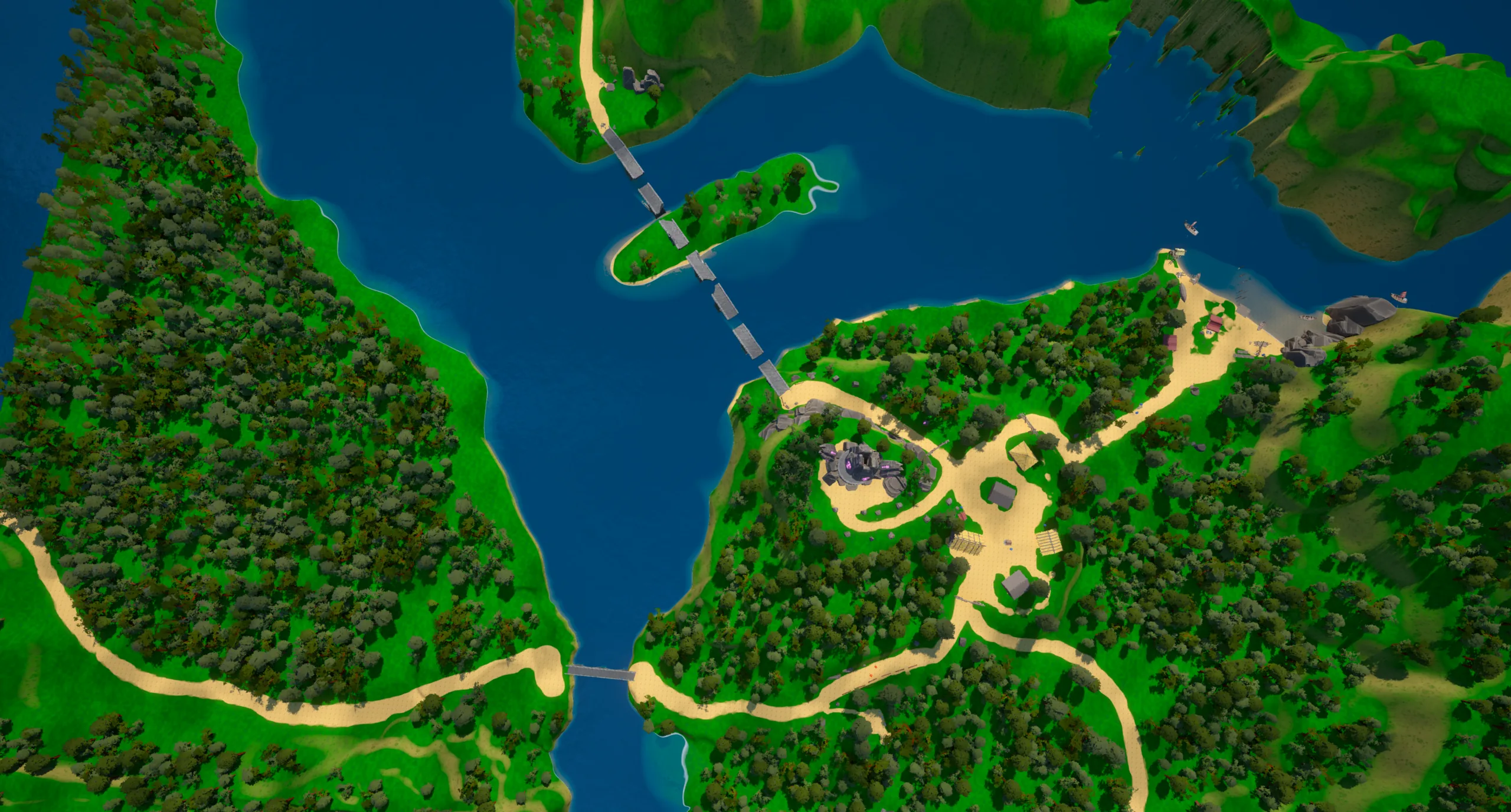
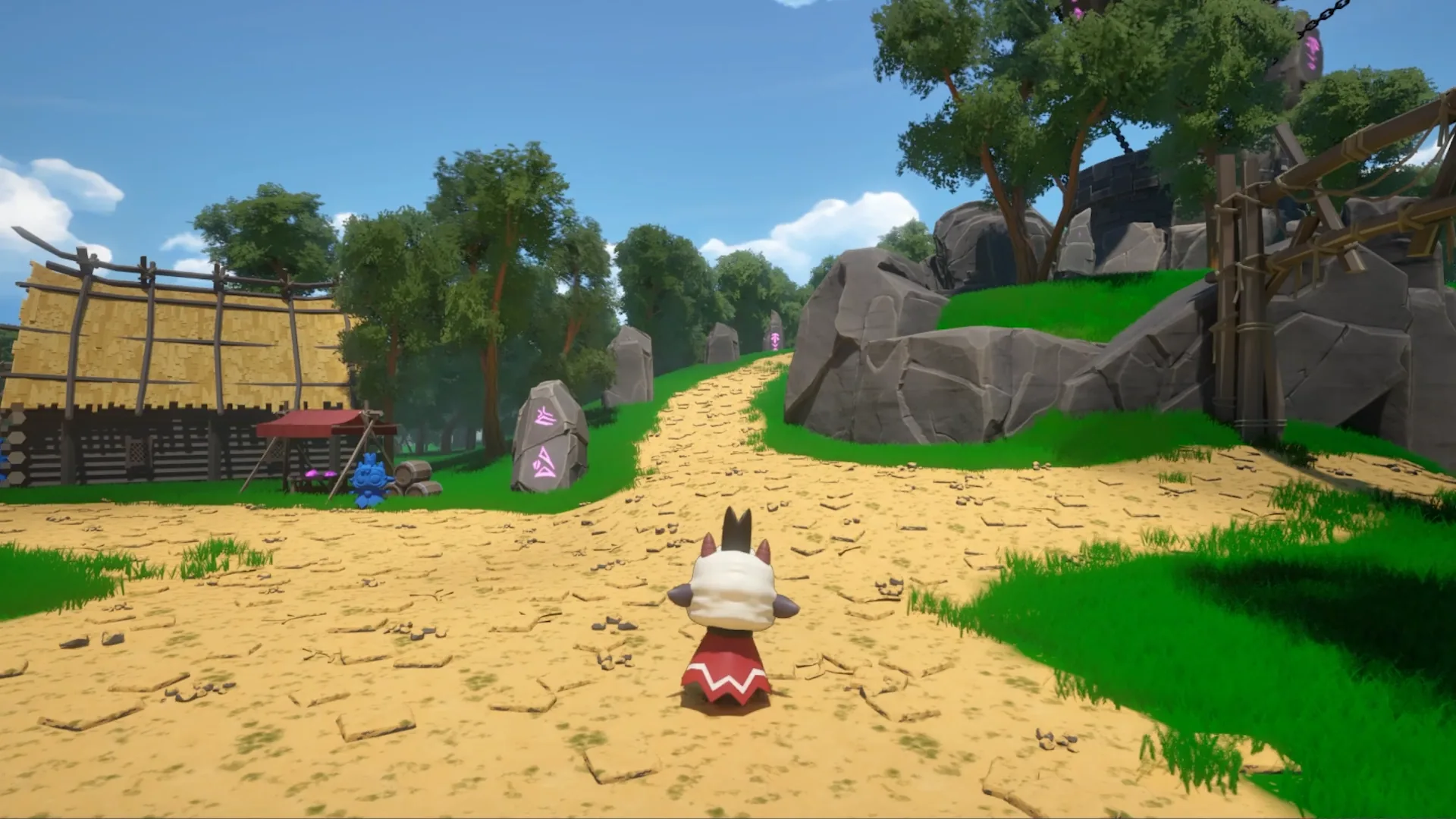
On the level design side, once the design document was finalized, I had to create a playable area integrated into the open world, with a landmark and three distinct access paths. I analyzed my world map to identify the most relevant zone given the time constraints. My pick : a frontier village, a key location in the player’s progression before reaching the central regions.
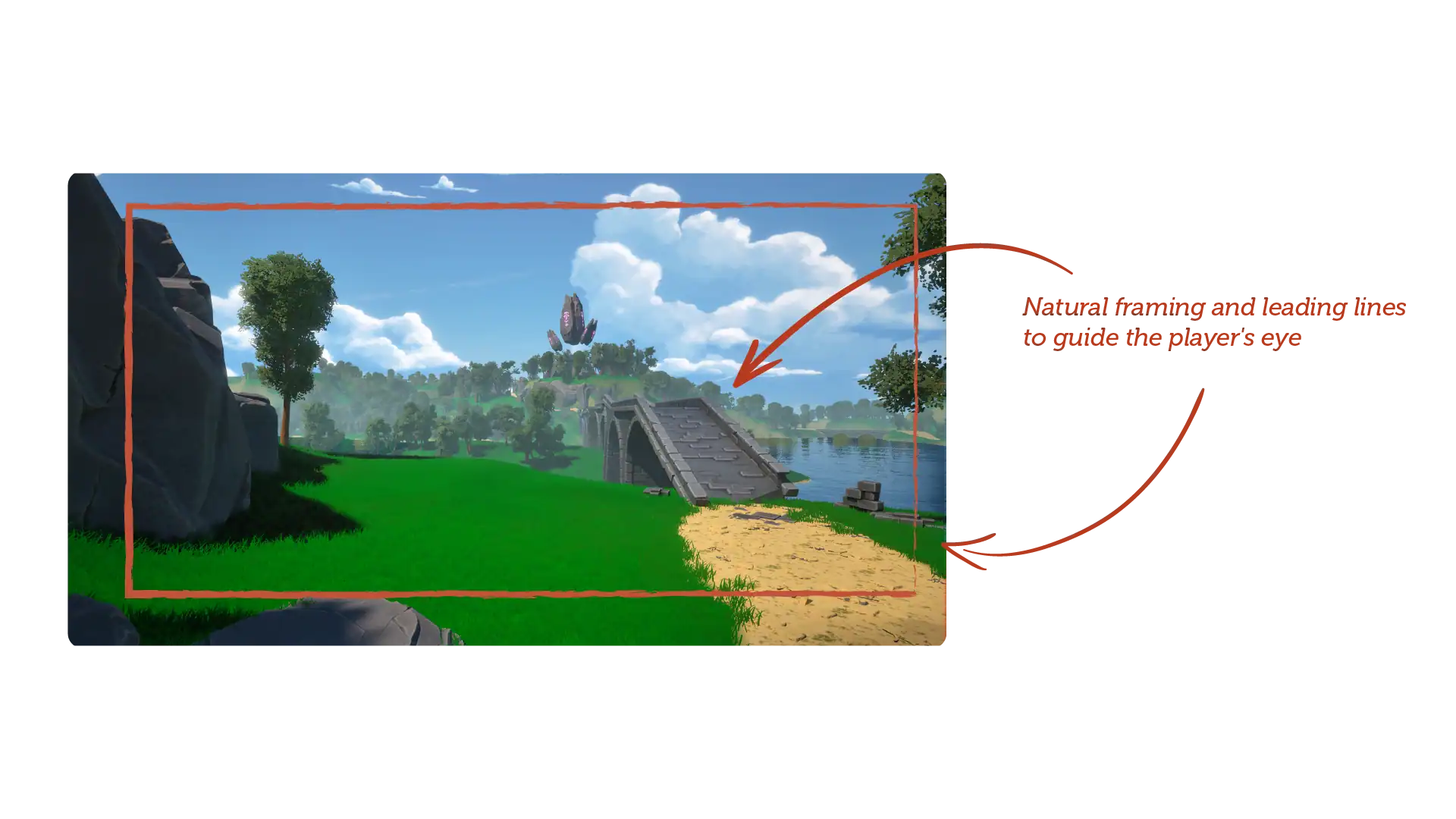
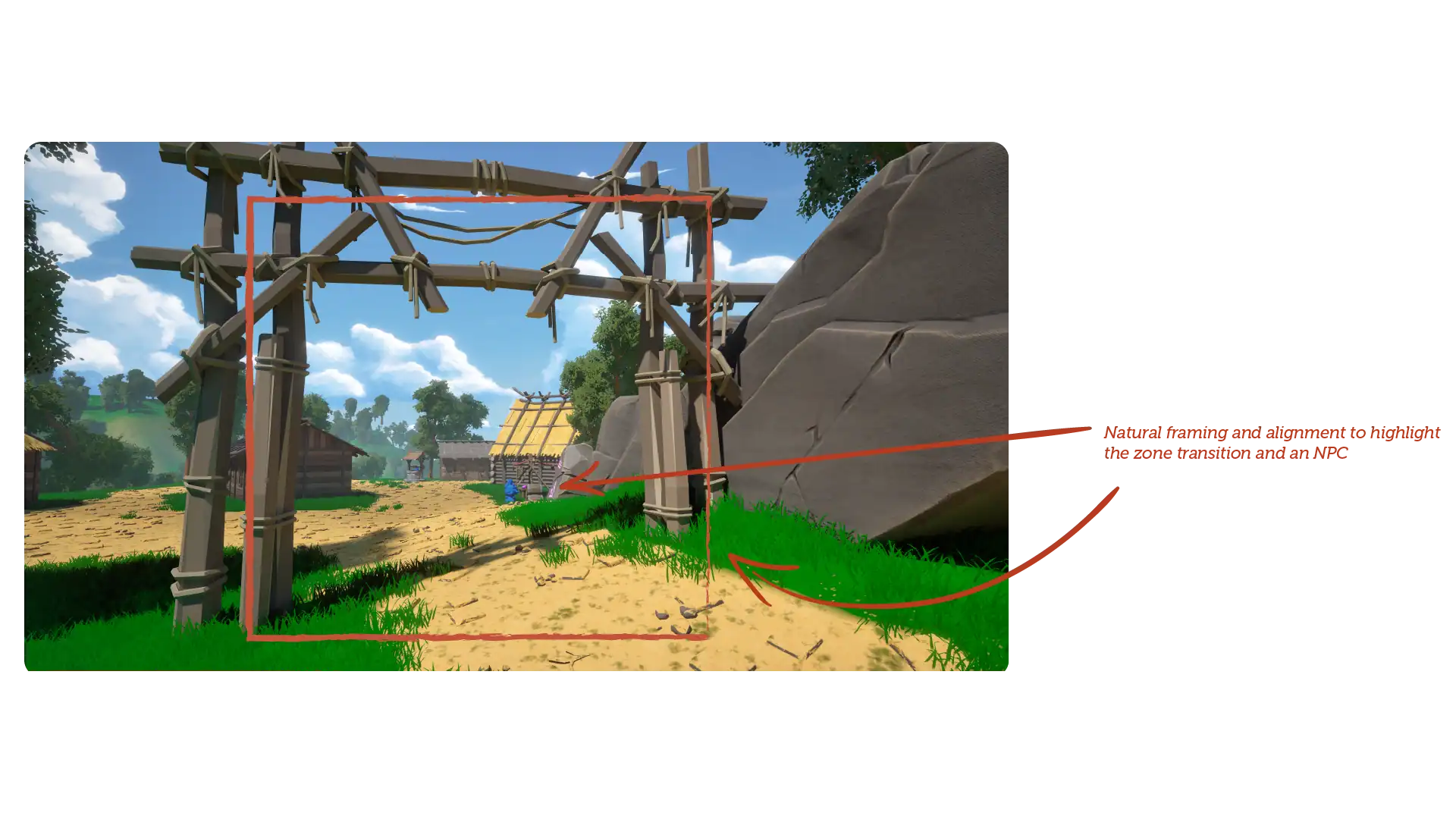
I then sketched a paper plan to position the points of interest and visual perspectives, before tackling Unreal using the landscape and procedural foliage generation systems.
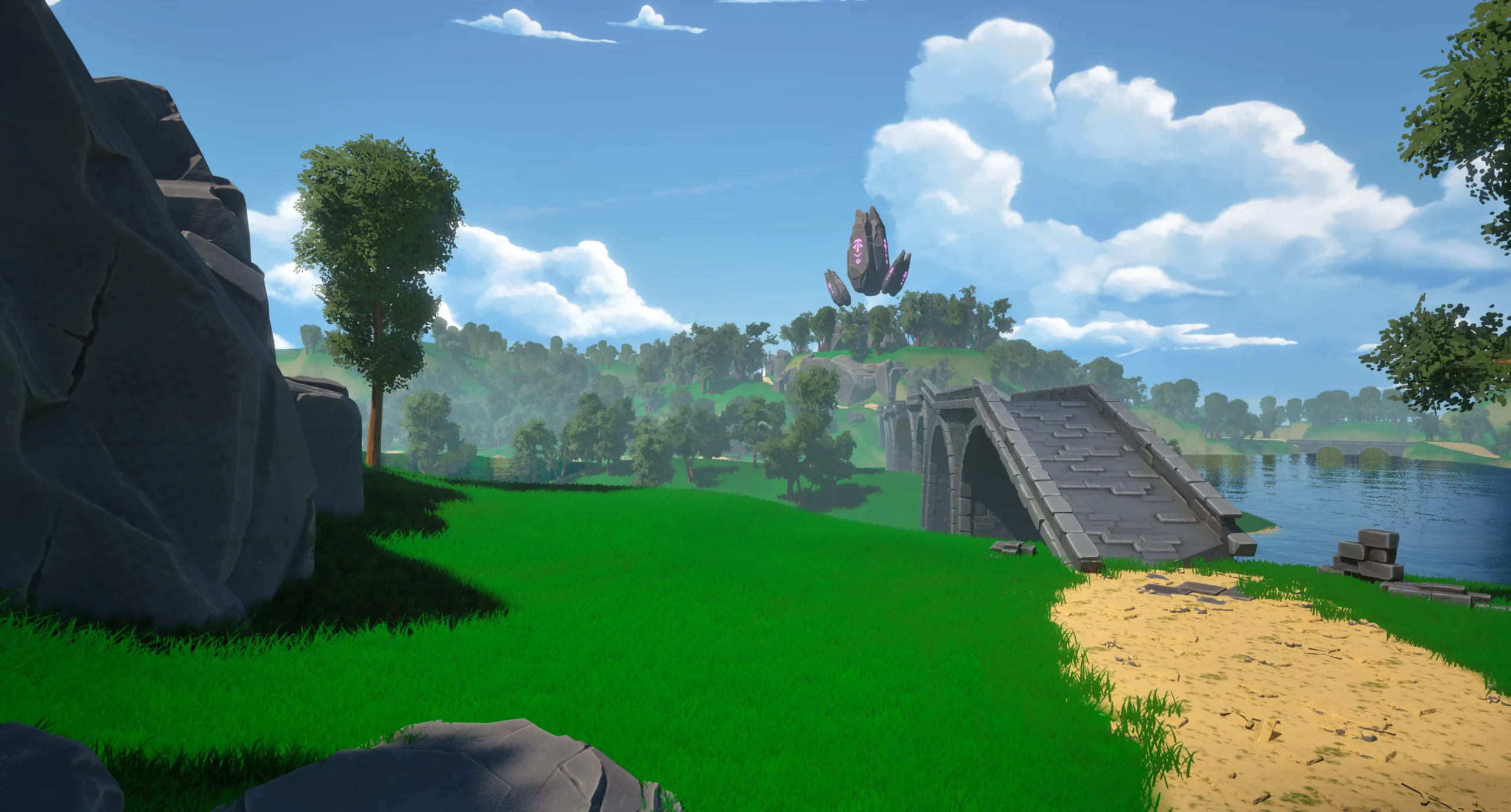
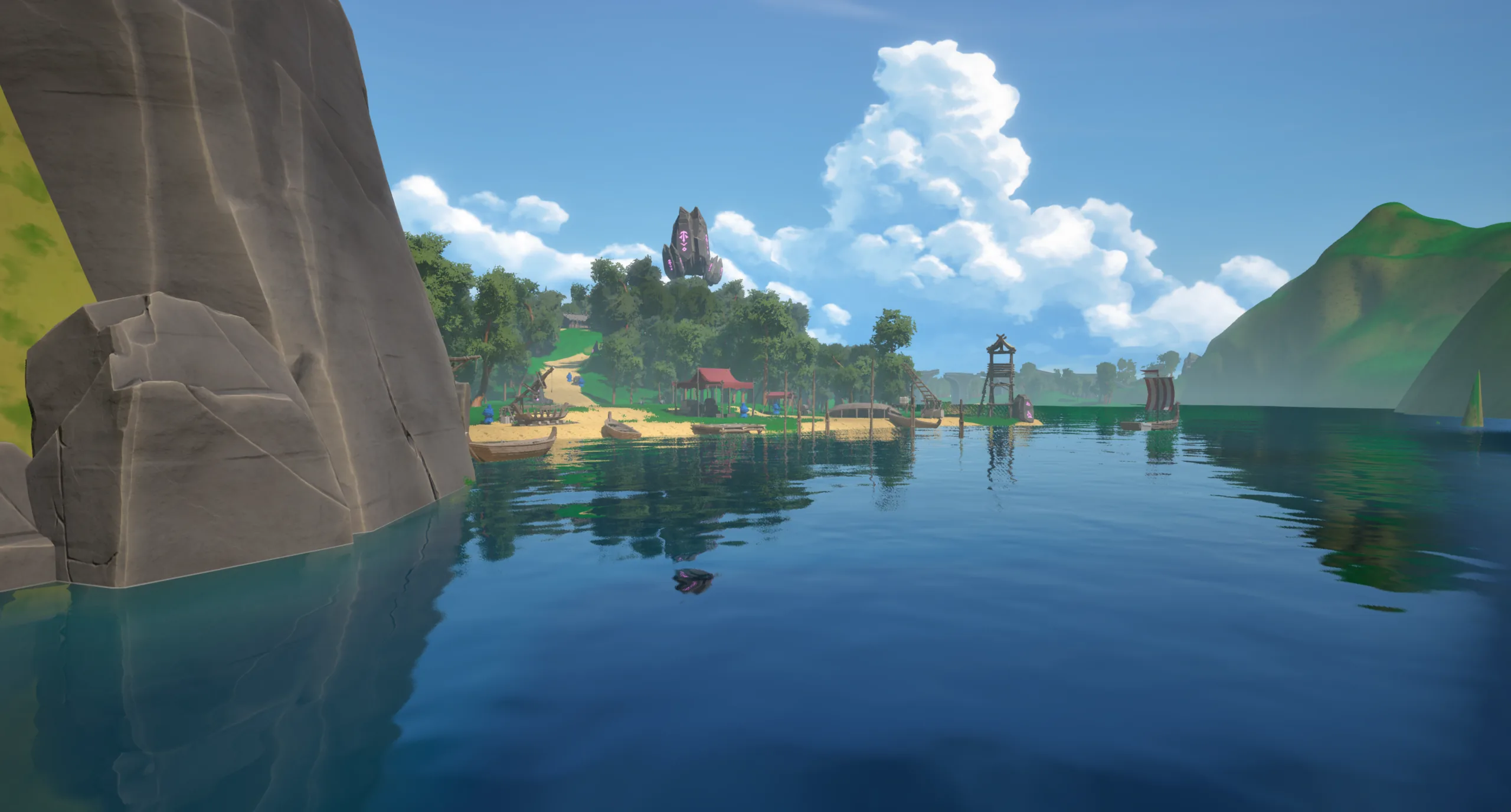
The risky bet : instead of a traditional blockout, I went straight to integrating assets matching the intended atmosphere. It was risky, especially on scale adjustments between character and assets, but it paid off. I was able to set up environmental storytelling, encounter zones, and quests while optimizing production time.